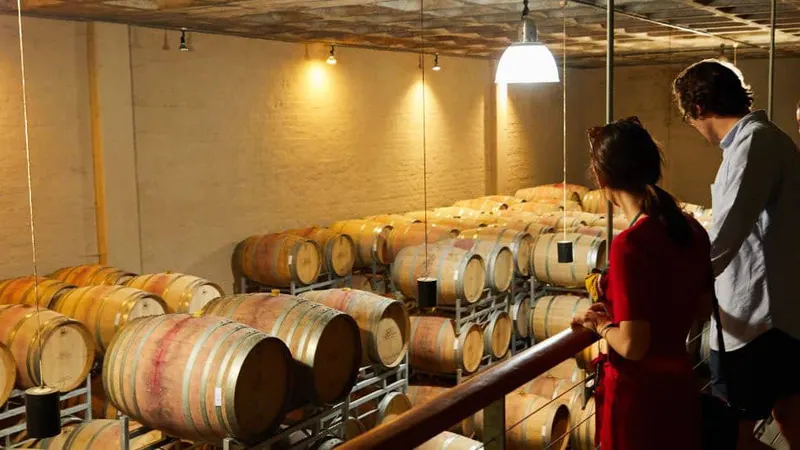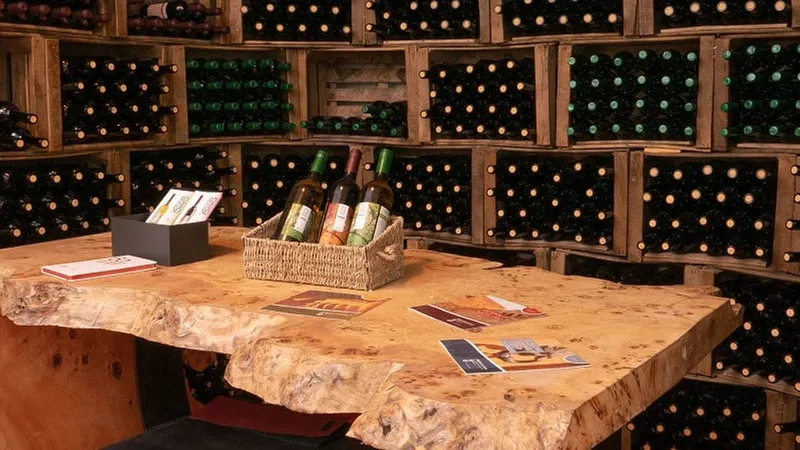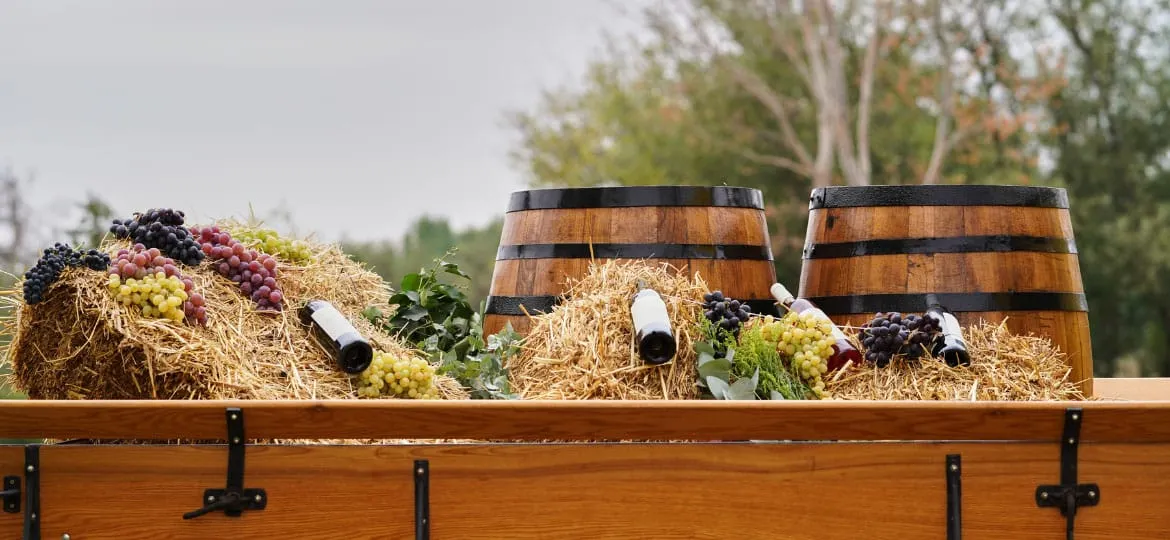
Have you ever wondered what makes a winery visit unforgettable? It's not just about the wines (although that's essential, of course), but about everything surrounding the experience: the feeling of discovering something unique, connecting with the story behind each bottle and feeling welcome in a setting that blends culture, passion and hospitality.
Nowadays, visitors are looking for more than just a tasting.
They want experiences that move them, moments they can share and remember.
For wineries, this is a huge opportunity: to make every visit so special that those same customers want to come back and, what's more, recommend the place to their friends and family.
In this article we want to take you through the keys to improving the experience at your winery. Whether you're looking to attract more visitors, build loyalty among those who have already been through your doors or simply take your offer to the next level, you'll find practical, easy-to-apply ideas here.
We've broken this approach down into essential points covering the whole process: from how to optimise the customer journey to innovative ways of surprising people with unique experiences. We'll also talk about how to bring in technology, train your team and look after those little details that make the difference between just another visit and an unforgettable memory.
So, if you run a winery or handle marketing for one, this article is for you. Get ready to discover how to turn every visit into an opportunity to stand out, build loyalty and position your winery as a benchmark in the world of wine tourism. Let's get to it!
Optimise the customer visit
The customer route or visit, or customer journey, is the backbone of the experience at a winery. Improving it means identifying visitors' needs and expectations at every stage, from the moment they discover the winery until after their visit.
Here are the keys to optimising this process:
Customer journey analysis
Every stage of the journey, from the visitor's online search to the goodbye, should be carefully designed to ensure a seamless experience. This includes providing clear information on the website, offering intuitive booking options and guaranteeing a warm welcome during the visit.
Personalising the experience
Visitors value an experience that feels designed just for them. This could include customised tasting options, tours adapted to different levels of wine knowledge or specific activities based on their interests. Personalisation not only boosts satisfaction, but also increases the likelihood of repeat visits.
Create unique and memorable experiences
In the tourism sector, the options are ever more varied, so wineries need to stand out to capture visitors' attention and hearts. Offering something beyond a conventional visit can turn a standard experience into an unforgettable memory.
Making your winery stand out
The key to standing out is offering something unique that visitors can't find anywhere else. Whether through exclusive activities, personalised tours or immersive experiences, every winery can reflect its own identity and added value.
Innovative ideas
Some ideas to elevate the winery experience include:
- Tastings paired with gourmet dishes: Combining the winery's wines with local food to enhance flavours and aromas.
- Winemaking workshops: Letting visitors take part in processes such as grape treading or wine blending.
- Sensory tours: Including stations where visitors can explore the aromas and textures associated with wine.
- Themed tastings: Experiences focused on specific themes, such as wines from historic vintages or exotic varieties.
Activities should be in keeping with the personality of the winery and the region it's in. This means incorporating cultural elements, unique landscapes or historical aspects that reinforce the winery's distinctive character.
That way, visitors will not only enjoy a unique experience, but will also feel they're connecting with the essence of the winery and its surroundings.
Improve accessibility and comfort
Comfort and accessibility are essential to ensure that all visitors can enjoy their experience to the full. Making sure every stage of the visit is practical and pleasant can make a big difference to how customers see you.
Clear, accessible information
A well-designed website is the first impression visitors will have of the winery. Don't forget to include:
- Detailed information on opening hours, activities and prices.
- An intuitive online booking system that lets customers secure their spot easily.
- An FAQ section to answer visitors' common questions before their visit.
Adaptability
Making your facilities inclusive is a key step towards an excellent experience. This includes:
- Access for people with reduced mobility, such as ramps, lifts and accessible toilets.
- Clear signage that makes the tour easier for people with visual or hearing impairments.
- Staff trained to meet specific accessibility needs.
Rest areas
Creating comfortable, welcoming spaces can significantly improve the overall experience. These areas can include:
- Shaded or indoor areas: Ideal for visitors to relax between activities.
- Comfortable furniture: Chairs, benches and spaces designed for long chats or moments of relaxation.
- Hydration stations: Providing water or small tasters while visitors rest.
Looking after these aspects not only improves the visitor experience, but also reinforces the winery's image of hospitality and professionalism. An accessible, comfortable experience is key to making visitors feel welcome and want to return.
Prepare your staff
Your team is the heart of any winery, and their training and attitude can make the difference between an average experience and an extraordinary one. Staff training isn't just about passing on technical knowledge, but also about fostering passion and the ability to connect with visitors.
Ongoing training
Investing in your staff's continuous learning ensures they're always up to date on key topics such as:
- Customer service: Techniques for providing warm, efficient service tailored to each visitor.
- Wine knowledge: From varieties and pairings to the production process, so they can answer every question with confidence.
- Storytelling: Skills for telling the winery's story in a captivating way, creating an emotional connection with visitors.
A passionate, well-informed team conveys enthusiasm and confidence. Encouraging a genuine connection with the winery's products helps staff become natural brand ambassadors, making visitors feel part of a special experience.
Adapting the narrative
Every visitor has a different level of wine knowledge. It's crucial that staff can adapt what they say to their audience:
- For beginners: Use simple, educational language.
- For enthusiasts: Go deeper into technical details and fun facts.
- For experts: Provide specific information and more technical experiences.
Well-trained staff not only guarantee exceptional service, but also reinforce the winery's image of professionalism and quality.
Take care of the aesthetic details
The look and feel of the winery's surroundings communicates quality and care in every respect. Every detail counts in creating a welcoming, professional atmosphere.
Spotless spaces
Cleanliness and tidiness are essential. Visitors see them as a reflection of the quality of the products.
Lighting and design
A well-thought-out design, with warm lighting and comfortable furniture, can make visitors feel relaxed and welcome.
Clear signage
Providing elegant, easy-to-follow signage not only improves the visitor experience, but also avoids confusion and ensures a smooth tour.
Continuous improvement
Improving the experience at a winery is an ongoing process that requires attention to detail, innovation and a customer-centred approach. From personalising tours to implementing technology and designing loyalty programmes, each strategy discussed in this article helps you stand out in the wine tourism industry.
The key is to transform a simple visit into an unforgettable experience that inspires visitors to come back and share their experience. Putting these improvements into practice will allow wineries not only to attract new customers, but also to build lasting relationships based on quality and authenticity.