
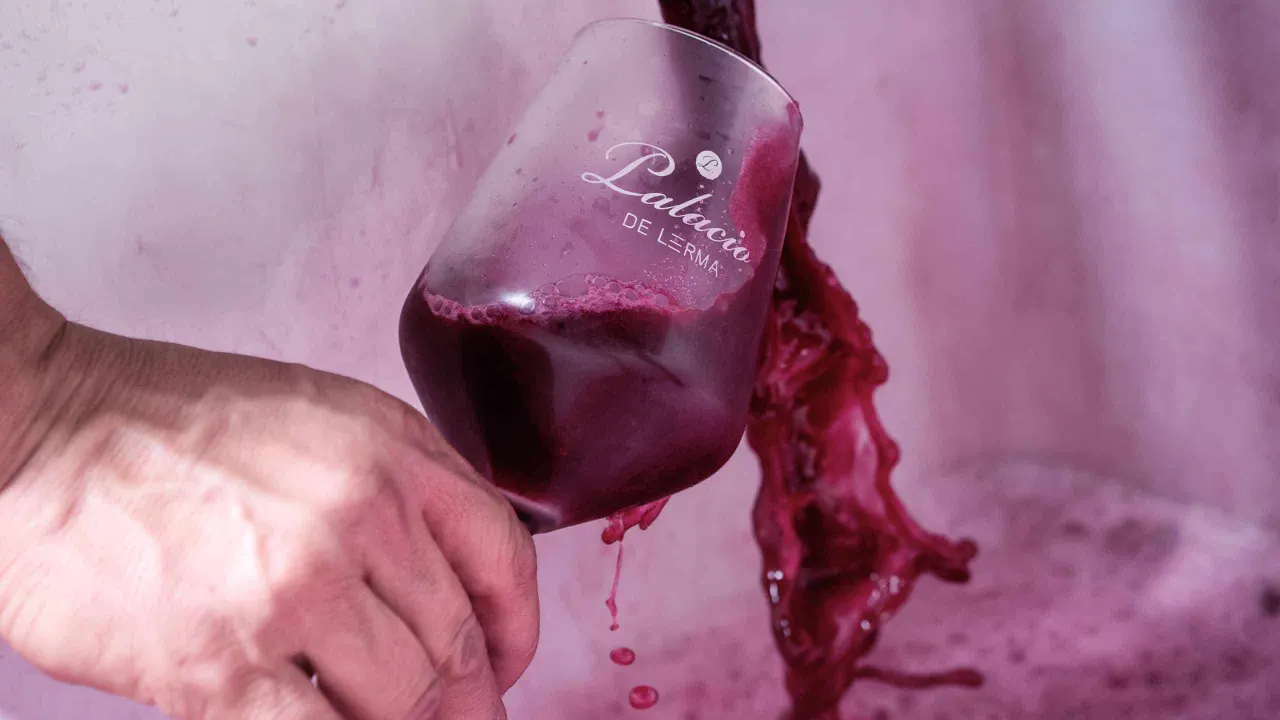
Wine tourism is a unique and different way of travelling, combining a passion for wine with exploring wine-growing areas and regions. It gives wine lovers the chance to experience first-hand the whole process, from picking the grapes to the final bottling, without forgetting the tasting, of course. This whole journey lets visitors experience wine with all 5 senses: from the views over the vineyards to the smells of the soil, the grapes, the winery… and even touch, as they can actively take part in this unique process. All of this also helps to give a deeper understanding of the entire winemaking process.
From the Vineyard to the Harvest:

The first stop on this wine journey is the vineyard, where the vines stretch out in neat rows under the sun. Harvest time is crucial, as it determines the quality of the grapes (alongside other factors such as the weather throughout the year or how the vineyard is looked after) and, therefore, of the wine. Wine tourists may get the chance to take part in the harvest, experiencing the manual work of grape picking that has been a tradition and an art for centuries. This stage of the process helps visitors understand the importance of choosing the right moment to harvest and how it affects the character of the finished wine.
The Art of Winemaking:
Once the grapes have been picked, the transformation begins. At this stage, wine tourists can immerse themselves in the magic of the winery, where the grapes are pressed and fermentation gets under way. A visit to the barrel rooms offers a unique insight into how wine develops its complexity and nuances over time, building up layers of aroma and flavour. Expert winemakers guide visitors through the choice of barrels, the fermentation processes and the importance of patience in creating an exceptional wine.
Although old techniques have largely been replaced by modern machinery, the human touch is still a vital part of making wine. The close bond between the grower, the winemaker and the grape, along with the skill to adjust each process to the characteristics of the harvest, gives the wine a unique, personal character that visitors can come to understand, and even take part in.
Tastings and Pairings:
For many wine tourists, the highlight is the wine tasting. Expert tasters guide them through a selection of wines, explaining the tasting notes and teaching them to appreciate the complexity of every sip. What's more, pairing experiences let visitors discover how the flavours of wine complement different foods, taking the gastronomic experience to the next level.
There are several types of tasting that help wine lovers better understand and enjoy a wine's characteristics. Here are some of the most common types of wine tasting you might come across on a winery visit:
- Horizontal Tasting: You taste several wines from the same vintage. The aim is to compare the subtle differences between wines produced under similar conditions.
- Vertical Tasting: You taste several wines from the same winery, but from different vintages. The aim is to see how the wine evolves over the years and understand how time affects the way wines develop.
- Blind Tasting: You taste the wines without knowing what they are or seeing the label. The aim is to assess the wines objectively, without being swayed by the brand or the price.
- Themed Tasting: You taste wines from a specific region, grape variety, style… The aim is to explore and understand the distinctive characteristics of a particular group of wines.
- Comparative Tasting: You taste two different wines to highlight their differences and similarities. The aim is to identify your personal preferences and understand the variations within a style or region.
- Pairing Tasting: You taste wines alongside specific foods. The aim is to assess how the flavours of the wine interact with the flavours of the food, and vice versa, looking for harmony and balance.
Each type of tasting offers a unique experience and helps you understand and appreciate the world of wine. The key is to explore and enjoy all the variety this very special drink has to offer.

The Charm of the Bottle:
The journey is drawing to a close and it's time to bottle the wine. Wine tourists can play an active part in this process, from choosing the bottle to filling it.
This experience creates a tangible connection with a wine they have come to know well and appreciate over the whole journey.
Label Design:
Some wineries include this step when wine tourists have had the chance to make their own wine during the visit. At this stage, visitors realise that the way a wine is presented is also crucial, and wine tourists can delve into the art of label design and learn how the most suitable bottles and packaging are chosen.
This stage reveals the importance of branding and how presentation can influence consumers' perception and buying decisions about a product.
In short, wine tourism can offer wine lovers the complete experience of making a wine, from the vineyard to the bottle. This wine journey doesn't just teach you about the winemaking process; it also lets visitors appreciate the art and passion behind every bottle. It's a journey that captivates the senses and creates lasting memories, turning wine tourists into passionate ambassadors for wine culture.
And what about you? Have you already picked your favourite wine tourism experience on our app? Download it!
Photo credits: Bodegas Palacio de Lerma