
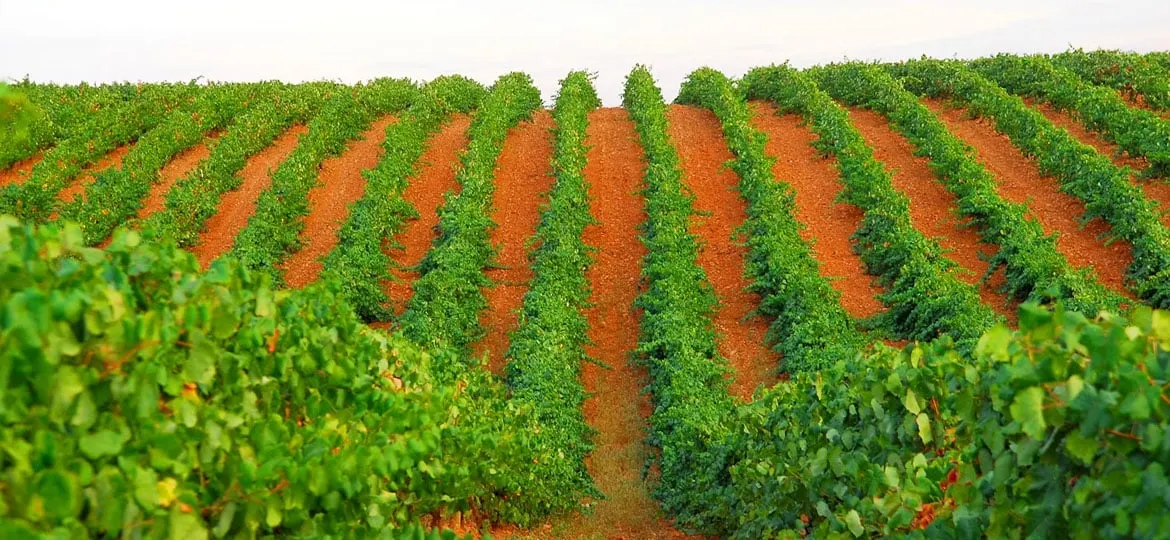
Get to know the most popular wine grape varieties in Spain
The types of wine grapes in Spain vary a great deal depending on the region they grow in. Spain is a country known for its rich winemaking history, its diverse climate and its unique terroirs, all of which contribute to the wide range of grape varieties grown across its regions
From the sun-drenched vineyards of Andalusia to the cool, misty hills of Galicia, Spain's wine culture is deeply rooted in tradition, yet it keeps evolving through innovation
In this article we'll explore the most important red and white grape varieties grown in Spain, looking at their regions of origin and the distinctive characteristics that make them stand out in the world of wine
Grape types for making red wine
Bobal
Region: Valencia, Utiel-Requena
Characteristics: Bobal is known for producing deeply coloured wines with high tannins and acidity. It often shows flavours of dark berries, herbs and spices. This variety thrives in hot, dry climates and is used in both young and aged wines, offering a good balance between fruit and structure
Brancellao
Region: Galicia, Ribeiro
Characteristics: Brancellao is a lesser-known grape that produces elegant, light- to medium-bodied wines with red fruit flavours and a distinctive herbal quality. It is often blended with other local varieties to add complexity and is prized for its delicate structure and fresh acidity
Callet
Region: Balearic Islands, Majorca
Characteristics: Callet is a native grape of Majorca, producing wines that tend to be pale in colour but rich in earthy and mineral notes, with subtle red fruit flavours. It is often used in blends to add complexity and is known for its rustic charm and good ageing potential
Cariñena
Region: Catalonia, Aragon
Characteristics: Also known as Mazuela and/or Sansó, this grape produces wines with high acidity and tannins, often showing flavours of black fruit and liquorice along with smoky, meaty notes. Cariñena is commonly used in blends to add structure and depth, particularly in Priorat and other Catalan regions
Cartuxá
Region: Galicia
Characteristics: Cartuxá is a rare grape variety found mainly in Galicia, known for producing wines with moderate tannins, bright acidity, red fruit flavours and floral notes. It is often blended with other native grapes to create balanced, aromatic wines
Caíño Tinto
Region: Galicia, Rías Baixas
Characteristics: Caíño Tinto is a tannic, high-acid grape that produces wines with intense red fruit flavours, floral aromas and a spicy, peppery finish. It is traditionally blended with other varieties to add structure and complexity, especially in the Atlantic-influenced vineyards of Rías Baixas
Garnacha
Region: Aragon, Catalonia, Rioja
Characteristics: Garnacha is one of the most widely planted red grapes in Spain, known for its versatility and its ability to produce wines ranging from light and fruity to full-bodied and spicy. It usually offers flavours of ripe red berries, pepper and herbal notes, with a smooth texture and moderate acidity
Graciano
Region: Rioja, Navarre
Characteristics: Graciano is a highly aromatic grape that adds depth, colour and longevity to wines, especially when blended with Tempranillo. It is known for its intense flavours of blackberries, violets and spices, together with a firm tannic structure and high acidity
Hondarrabi Beltza
Region: Basque Country
Characteristics: Hondarrabi Beltza is the key red grape in the making of Txakoli, a unique Basque wine. It produces light, fresh wines with moderate alcohol, high acidity and flavours of red fruit and herbs, plus a slightly salty quality that reflects the coastal terroir
Listán Negro
Region: Canary Islands
Characteristics: Listán Negro is the dominant red grape of the Canary Islands, producing light- to medium-bodied wines with red fruit flavours, earthy notes and a characteristic smoky minerality. The islands' volcanic soils contribute to its unique flavour profile
Manto Negro
Region: Balearic Islands, Majorca
Characteristics: Manto Negro is a versatile grape that produces wines with soft tannins, moderate acidity and flavours of ripe red fruit, herbs and spices. It is often used in blends to create balanced, approachable wines that reflect the warm Mediterranean climate
Marzuelo
Region: Rioja
Characteristics: Also known as Mazuela or Cariñena, Marzuelo is a late-ripening grape that brings colour, acidity and tannins to Rioja blends. It offers flavours of dark berries and earth with a smoky touch, making it a key component in traditional Rioja wines
Maturana
Region: Rioja
Characteristics: Maturana is an ancient grape variety native to Rioja, producing deeply coloured wines with high acidity and pronounced tannins. It shows flavours of black fruit, spices and earthy notes, and is often used in blends to boost the complexity and ageing potential of Rioja wines
Mencía
Region: Bierzo, Ribeira Sacra
Characteristics: Mencía is celebrated for its aromatic complexity and elegance, producing medium-bodied wines with red fruit flavours, floral notes and a distinctive minerality. It thrives in the cooler, slate-rich soils of Bierzo and Ribeira Sacra, where it makes wines with finesse and ageing potential
Monastrell
Region: Murcia, Valencia
Characteristics: Known as Mourvèdre in France, Monastrell produces robust, full-bodied wines with high tannins and alcohol, showing flavours of blackberries, spices and earthy undertones. It thrives in hot, dry climates and is particularly prominent in the Jumilla and Yecla regions
Moristel
Region: Aragon, Somontano
Characteristics: Moristel is a native grape of Aragon, producing light- to medium-bodied wines with bright acidity and flavours of red fruit and herbs, plus a hint of bitterness. It is often blended with other varieties to add freshness and complexity to Somontano wines
Negramoll
Region: Canary Islands
Characteristics: Negramoll, also known as Tinta Negra, produces light, fruity wines with soft tannins and moderate acidity. It often shows flavours of red berries, plums and subtle earthy notes, and is frequently used in blends to create approachable, easy-drinking wines
Sumoll
Region: Catalonia
Characteristics: Sumoll is a traditional Catalan grape that produces rustic, medium-bodied wines with high acidity and tannins. It offers flavours of tart red fruit and herbs with a slight bitterness, and is often used in blends to add structure and complexity to Catalan wines
Tempranillo
Region: Rioja, Ribera del Duero, Castilla-La Mancha
Characteristics: Tempranillo is Spain's most famous red grape, known for producing well-balanced wines with medium to full body, moderate acidity and flavours of red fruit, tobacco, leather and spice. It is the backbone of many of Spain's finest wines, especially in Rioja and Ribera del Duero, where it shines in both young and aged styles
Trepat
Region: Catalonia, Conca de Barberà
Characteristics: Trepat is a native grape of Catalonia that produces light, fresh wines with moderate alcohol and flavours of red fruit and spice with an earthy touch. It is often used to make rosé and sparkling wines, and is prized for its bright acidity and aromatic profile
The most widely planted red wine grapes in Spain
The most widely planted red wine grapes in Spain include Tempranillo, Garnacha and Monastrell. These varieties are grown in several regions and are key components in the production of many of Spain's best-known wines
Tempranillo is the dominant variety in Rioja and Ribera del Duero, while Garnacha is important in regions such as Aragon and Catalonia
Monastrell is common in the south-eastern regions of Murcia and Valencia, where it thrives in the hot, arid climate
Spanish white wine grape varieties
Albarín Blanco
Region: Asturias, León
Characteristics: Albarín Blanco is a rare grape found in the northern regions of Spain, producing aromatic wines with high acidity and flavours of citrus and white flowers, plus a slight herbaceous note. It is often used for fresh, youthful wines that are ideal for drinking early
Albariño
Region: Rías Baixas, Galicia
Characteristics: Albariño is one of Spain's most celebrated white grapes, producing wines with high acidity, fresh citrus and stone fruit flavours and a distinctive saline minerality. It thrives in the coastal vineyards of Rías Baixas, where it is made into fresh, aromatic wines with excellent ageing potential
Albillo
Region: Castile and León, Madrid
Characteristics: Albillo is a versatile grape that produces wines with medium acidity and body, often showing flavours of stone fruit and honey along with floral notes. It is commonly used in blends or as the base for traditional Spanish white wines, prized for their richness and texture
Alcañón
Region: Aragon, Somontano
Characteristics: Alcañón is a traditional grape from Aragon, known for producing fresh, light-bodied wines with moderate acidity and flavours of citrus and white fruit. It is often blended with other local varieties to create balanced, easy-drinking white wines
Airén
Region: Castilla-La Mancha
Characteristics: Airén is the most widely planted white grape in Spain, known for its resistance to heat and drought. It produces neutral, light-bodied wines with low acidity and subtle flavours of apple and pear along with floral notes. It is often used to make brandy or blended with other varieties to add volume and alcohol
Caíño Blanco
Region: Galicia, Rías Baixas
Characteristics: Caíño Blanco is a rare, high-acid grape that produces wines with intense citrus and green apple flavours, often accompanied by floral and mineral notes. It is usually used in blends to bring freshness and aromatic complexity, especially in Rías Baixas wines
Garnacha Blanca
Region: Catalonia, Aragon
Characteristics: Garnacha Blanca is a white mutation of Garnacha, producing full-bodied wines with moderate acidity and flavours of stone fruit and herbs with a touch of spice. It is often aged in oak to enhance its texture and complexity, resulting in rich, layered wines
Godello
Region: Galicia, Bierzo
Characteristics: Godello is a highly regarded grape that produces elegant, well-balanced wines with high acidity and flavours of citrus and green apple along with mineral notes. It is especially prized in the Valdeorras and Bierzo regions, where it makes wines with great ageing potential and complexity
Hondarrabi Zuri
Region: Basque Country
Characteristics: Hondarrabi Zuri is the main grape used to make Txakoli, a refreshing, high-acid wine from the Basque Country. It typically shows flavours of green apple and citrus with a light fizz, which makes it an ideal match for seafood
Loureiro Blanca
Region: Galicia, Rías Baixas
Characteristics: Loureiro Blanca is known for its aromatic intensity, producing wines with floral and citrus notes, high acidity and a distinctive herbal character. It is often used in blends to add complexity and freshness to Rías Baixas wines
Malvasía de Rioja (Malvasía Riojana)
Region: Rioja
Characteristics: Malvasía Riojana is a traditional Rioja grape that produces rich, aromatic wines with flavours of stone fruit and honey along with floral notes. It is often used in blends to add complexity and body, particularly in oak-aged Rioja whites
Marmajuelo
Region: Canary Islands
Characteristics: Marmajuelo is a rare grape from the Canary Islands, producing wines with moderate acidity, flavours of tropical fruit and citrus, and a distinctive minerality. It is often used in blends to add aromatic intensity and a unique volcanic character
Merseguera
Region: Valencia, Murcia
Characteristics: Merseguera is a drought-resistant grape that produces light-bodied wines with moderate acidity and flavours of citrus and green apple, plus a slight herbaceous note. It is usually used in blends or as the base for fresh, youthful white wines
Moscatel
Region: Andalusia, Valencia
Characteristics: Moscatel, or Muscat, is known for its intensely aromatic wines with flavours of orange blossom, honey and tropical fruit. It is used in both dry and sweet wines, especially for making dessert wines in regions such as Málaga and Valencia
Palomino
Region: Andalusia, Jerez
Characteristics: Palomino is the main grape used to make sherry, producing wines with low acidity and subtle flavours of almonds and apples along with saline notes. It is usually aged under flor or oxidatively to create the various styles of sherry
Parellada
Region: Catalonia, Penedès
Characteristics: Parellada is one of the traditional grapes used to make cava, known for its light, crisp wines with flavours of citrus and green apple along with floral notes. It is often blended with other varieties such as Macabeo and Xarel·lo to create balanced, refreshing sparkling wines
Parraleta
Region: Aragon, Somontano
Characteristics: Parraleta is a rare grape that produces fresh, aromatic wines with high acidity and flavours of red fruit, herbs and spices. It is normally used in blends to add brightness and complexity to Somontano wines
Pedro Ximénez
Region: Andalusia, Montilla-Moriles
Characteristics: Pedro Ximénez is best known for producing intensely sweet, rich wines with flavours of dried fruit, caramel and spice. It is mainly used to make sweet sherry and other fortified wines, prized for their luscious texture and deep flavours
Tempranillo Blanco
Region: Rioja
Characteristics: Tempranillo Blanco is a mutation of the red Tempranillo grape, producing wines with moderate acidity and flavours of green apple, pear and citrus. It is often used in blends or as a single-varietal wine in Rioja, offering a fresh, fruity profile
Treixadura
Region: Galicia, Ribeiro
Characteristics: Treixadura is a key grape in Ribeiro white wines, producing wines with high acidity, flavours of citrus and green apple and a distinctive floral note. It is often blended with other local varieties to create well-balanced, aromatic wines with good ageing potential
Verdejo
Region: Rueda, Castile and León
Characteristics: Verdejo is known for producing aromatic, fresh wines with high acidity and flavours of citrus, green apple and herbs. It is the flagship grape of Rueda, where it is made into fresh, lively wines that can be enjoyed young or with some ageing
Viura
Region: Rioja, Catalonia
Characteristics: Viura, also known as Macabeo, is a versatile grape that produces wines with moderate acidity and flavours of citrus and green apple along with floral notes. It is commonly used to make both still and sparkling wines, especially in Rioja and Catalonia
Xarel-lo
Region: Catalonia, Penedès
Characteristics: Xarel·lo is one of the key grapes in cava production, known for its high acidity, flavours of citrus and green apple and a distinctive minerality. It is often blended with Parellada and Macabeo to create balanced, refreshing sparkling wines with good ageing potential
The most widely planted white wine grapes in Spain
Airén, Viura (Macabeo) and Verdejo are among the most widely planted white wine grapes in Spain. Airén dominates the vast vineyards of Castilla-La Mancha, while Viura is significant in Rioja and Catalonia, especially for cava production
Verdejo is the flagship variety of Rueda, where some of Spain's most popular white wines are made
This extensive selection of grape varieties highlights the rich diversity and tradition of Spanish winegrowing, giving wine lovers a whole range of flavours and styles to explore and enjoy